


Austin Wedding Photographer & Videographer: Premier Services Guide
All the months have their own kind of beauty, but April in Austin sits in a particular kind of light. The bluebonnets are still out, the afternoons haven’t turned heavy with summer heat yet, and the live oaks hold that deep, saturated green that only lasts a few weeks.
For couples getting married in the spring, there’s a version of this city that feels almost unhurried, and that quality, when it’s captured well, shows up in every frame.
Lauren and Matt chose The Addison Grove for their April 19th wedding, and the setting made sense from the start. The property sits in Southwest Austin, surrounded by mature oak trees and open sky, and the natural structure of the venue created a day that moved with intention rather than against it.
That kind of day rewards a photographer and videographer who know how to work with available light and leave space for moments to happen on their own.
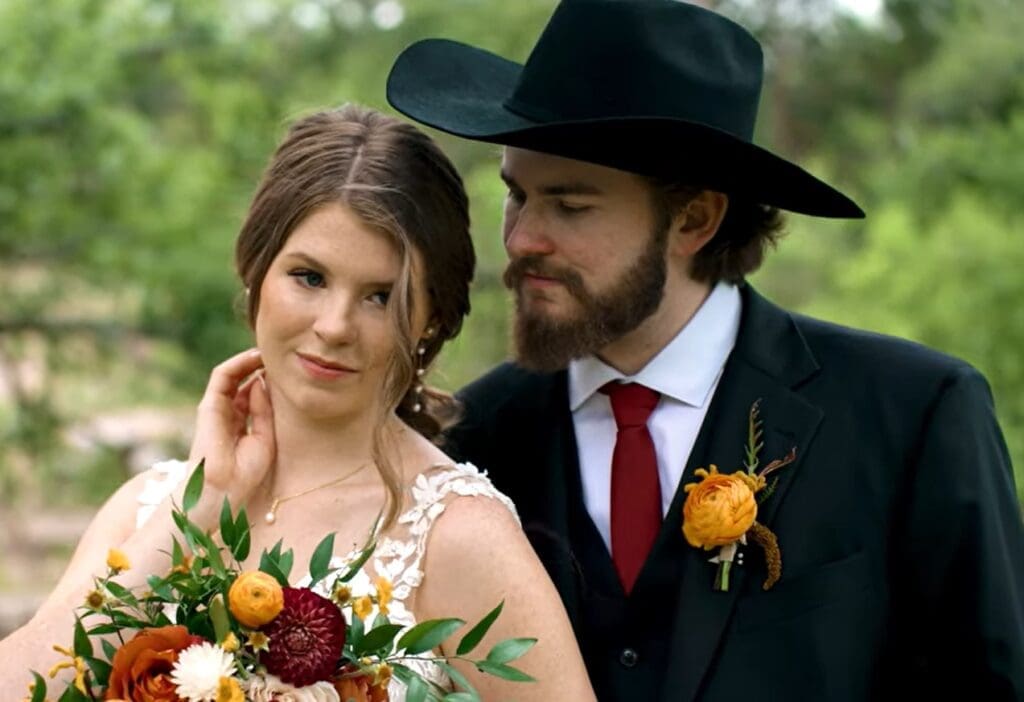
We have documented weddings across Austin, and the city continues to offer a range of settings that reward thoughtful, unhurried coverage. From the Hill Country edges of Southwest Austin to the historic buildings downtown, there’s rarely a shortage of visual material. What matters most is knowing how to read each location and each couple.
This guide draws on that experience. Whether you’re still narrowing down your venue or deep into the logistics of your wedding day timeline, the sections below cover what’s most useful to know before you book your Austin wedding photographer and videographer.
Austin Wedding Venues Worth Knowing Before You Book
Austin’s venue landscape has expanded steadily over the past decade, and couples now have access to settings that range from intimate garden properties to full estate experiences on the edge of the Hill Country.
The Addison Grove in Southwest Austin remains one of the most visually consistent outdoor venues in the city. The oak canopy provides natural diffusion during afternoon ceremonies, and the open-air reception space holds light well into the evening. The property has a coherent visual identity that makes it especially well-suited to both film and photography coverage.
For couples drawn to the Hill Country, Vista West Ranch in Dripping Springs and Contigo Ranch in Pflugerville both offer wide, open landscapes with the kind of sky that gives outdoor photography its scale. These properties tend to reward early arrival and a flexible approach to light.
Barr Mansion in Northeast Austin rounds out the range. The combination of historical architecture and lush garden grounds creates a ceremony environment that reads differently in spring than in fall, and that variety makes it one of the more photogenic venues in the greater Austin area.
How Austin Changes the Way You Think About Wedding Planning
Austin weddings don’t follow a single template, and that’s part of what makes them interesting to document. The city draws couples from across Texas and beyond, and the diversity of backgrounds, aesthetics, and priorities shows up in how each wedding day is structured.
One thing that shapes Austin weddings more than most couples expect is the weather window. Spring and fall offer the most reliable conditions for outdoor ceremonies, but even within those seasons, afternoon heat and shifting light require some flexibility in timeline planning. Couples who build buffer time into their day almost always end up with stronger coverage than those who schedule too tightly.
The Hill Country proximity also shifts how people think about location. It’s common for Austin couples to choose a venue thirty or forty minutes outside of the city, which changes the rhythm of the day and the kind of scenery available for portraits. That distance is worth planning for explicitly, both in your timeline and in your conversations with your photography and videography team.
Austin also has a strong creative community, and couples here tend to arrive with clear aesthetic preferences. The best Austin wedding photography and videography emerges when those preferences are shared early and the approach is built around them rather than applied on top.
Finding a Wedding Photographer Who Understands Austin
The range of settings available in Austin means that not every photographer works equally well across all of them. An outdoor Hill Country property in April light requires a different approach than a downtown venue on a cloudy November afternoon, and the ability to adapt matters more than a consistent preset or editing style.
When reviewing Austin wedding photographer portfolios, look for variety in lighting conditions, not just locations. Backlit ceremony images, shaded portraits, golden hour coverage, and indoor reception work all require different skills, and a strong portfolio demonstrates comfort across all of them rather than a reliance on one.
The same principle applies to videography. Austin wedding videography that holds up over time tends to prioritize natural sound, unposed moments, and a narrative that reflects the actual pace of the day. Ceremony audio, vows, and speeches should be preserved clearly, not trimmed down to a highlight reel that strips the day of its texture.
At Flower & Oak, we deliver both a short highlight film and a full-length feature film for every wedding, because the moments that matter most don’t always fit in two minutes. The ceremony and speeches are preserved in full.
Why Your Austin Wedding Timeline Is Worth Getting Right
The Austin wedding day timeline is one of the most practical conversations you can have with your photographer and videographer before the wedding, and it’s worth having early.
Outdoor venues in Austin are governed by light more than anything else. A ceremony scheduled at 5:00 PM in April will look entirely different from one at 3:00 PM, and the difference shows in every image and frame of film. The direction the venue faces, the tree cover overhead, and the time of sunset all factor into which moments receive the best natural light.
For Lauren and Matt’s April wedding at The Addison Grove, the late afternoon timing worked in their favor. The oak canopy filtered the remaining light into something softer and more even, and the transition into golden hour gave the portrait session a quality that would have been harder to achieve earlier in the day.
As a general guide, Austin spring weddings benefit from at least 45 to 60 minutes of dedicated portrait time, a clearly mapped getting-ready schedule, and a ceremony start time that accounts for the direction of available light. Sharing your venue’s layout with your photographer and videographer in advance makes it possible to plan around all of these factors before the day arrives.
Dressing for Your Austin Wedding: What Actually Photographs Well
Austin’s climate in spring sits in a range that allows for a variety of choices, but heat and outdoor settings do put some practical constraints on what works well in photographs and film.
Flowing fabrics in natural fibers tend to move well outdoors and respond well to Austin’s softer spring light. Structured gowns with clean lines work equally well when the setting has strong architectural elements, such as a barn or restored building. What tends to show strain in Austin’s outdoor settings is anything that holds heat visibly or doesn’t move naturally in the breeze.
For grooms and wedding parties, lighter colors and breathable fabrics generally translate well to spring photography and videography. Earthy tones, soft neutrals, and warm whites hold particularly well against the green and wood tones that define outdoor Hill Country venues.
The most important thing is choosing what fits the setting and reflects who you are as a couple. We work with couples in the weeks before the wedding to think through how attire choices interact with the venue, the light, and the visual approach of the coverage.
How Austin’s Climate Shapes Your Wedding Visuals
Austin’s four seasons are real, even if they’re compressed. Spring arrives early and dramatically, fall extends longer than in most of the country, and summer sits heavy between the two. Each season produces a different visual texture, and understanding that range helps couples choose a date that aligns with what they want their wedding to look like.
Spring, from late February through April, is consistently the most photogenic season in Austin. The wildflowers are out, the Hill Country is green, and the light has a quality that softens as the day moves toward evening. April in particular sits at the intersection of optimal conditions, which is part of why it books so quickly each year.
Summer weddings in Austin require more deliberate planning. Evening ceremonies shift the available light later, and the heat shapes what’s comfortable for outdoor portrait work. It’s entirely possible to create strong imagery in summer, but it requires more attention to timing and venue shade.
Fall offers a different palette. The greens deepen, the evenings cool, and the light takes on a warmer, lower angle that works particularly well for outdoor venues with open sky. For couples who want a slightly moodier visual tone in their Austin wedding photography, October and November are worth strong consideration.
Why Couples Choose Flower & Oak
Couples who work with us are typically looking for coverage that feels complete rather than curated. That means documentation that begins from the first moments of the morning and follows through to the last dance, without gaps or selective editing of what gets captured.
The full-length feature film preserves the ceremony in its entirety, including the vows and every speech. Those are the words spoken once, in front of the people who matter most, and they deserve more than a ten-second clip in a highlight reel. The highlight film exists alongside the feature, not instead of it.
Our photography and videography are designed to work together from the start. The approach to framing, timing, and movement is coordinated so that still images and film tell the same story rather than competing versions of it.
Frequently Asked Questions (FAQ)
Do you photograph and film weddings at The Addison Grove in Austin?
Yes. The Addison Grove is one of our favorite venues in Austin. The outdoor setting, the oak canopy, and the open-air reception space all create strong conditions for both photography and videography, and we’ve had the opportunity to document beautiful weddings there.
What time of year is best for outdoor wedding photography in Austin?
Spring and fall offer the most consistent conditions. Late March through April tends to be the sweet spot for outdoor Hill Country venues, when wildflowers are out, temperatures are moderate, and the light has a quality that’s difficult to replicate at other times of year.
Do you offer both a highlight film and a full wedding film?
Yes. Every wedding includes a short highlight film and a full-length feature film. The feature preserves the ceremony, vows, and speeches in full.
Can you work with our venue coordinator on timeline planning?
Absolutely. We’re happy to connect with your venue coordinator and planner in advance to make sure the timeline accounts for light, logistics, and the natural flow of your day. This kind of coordination makes a noticeable difference in the quality of the final coverage.
Planning an Austin Wedding?
If you are getting married in Austin and want Austin wedding photography and videography that feel natural, unhurried, and true to the day, we would love to connect.
Whether you are in the early stages of planning or already have a venue and date in mind, we are always happy to talk things through. Reach out to start the conversation.
