


Dallas Wedding Photographer and Videographer: What to Look for Before Booking
January in North Texas has a particular quality that surprises people who associate Texas with heat. The light sits low on the horizon for most of the day, the mornings are cold and still, and by late afternoon the sun drops fast enough that every minute of the portrait window matters.
For couples who plan around it, that light is one of the more photogenic things the DFW calendar offers. For couples who don’t, it disappears before they’ve had a chance to use it.
Ashlyn and Jake got married on January 11th at The Laurel in Grapevine, and the day reflected what a well-planned winter wedding in North Texas can look like.
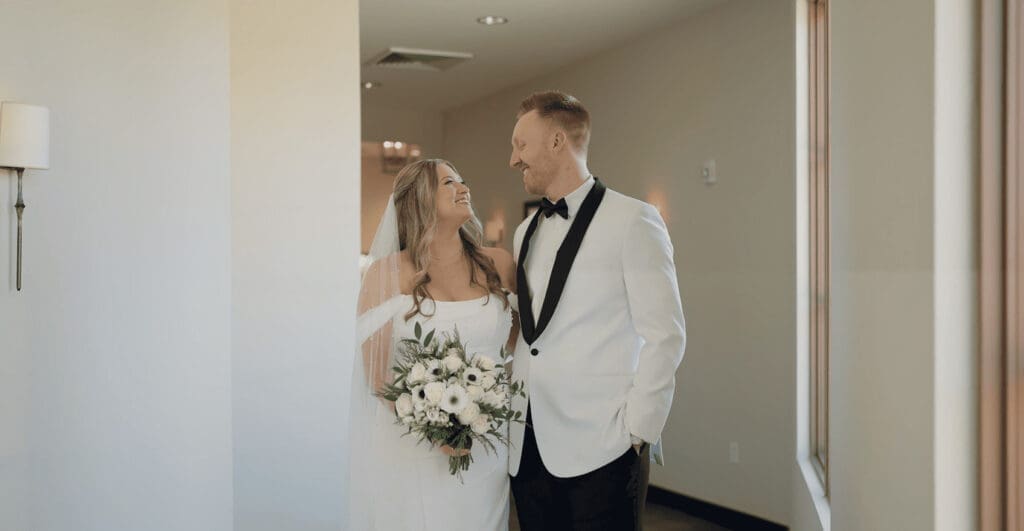
The Laurel sits in the heart of Grapevine’s historic district, and its interior carries a warmth and visual refinement that holds up through an entire day of coverage without needing the exterior to compensate. When the light outside was right, they used it. When it wasn’t, the venue itself provided everything the photography and film needed.
Dallas is one of the most active wedding markets in the country, and the DFW area as a whole offers a range of venues and settings that few metro areas can match. From the downtown skyline to the vineyard properties along the western edge of the region, the visual options are genuinely varied, and that variety is one of the things that makes Dallas wedding photography and videography particularly rewarding to approach with intention.
This guide covers what couples planning a Dallas or DFW area wedding most need to know before they book their photographer and videographer, including how to read the venue landscape, how to build a timeline that accounts for North Texas light, and how the season shapes everything the camera will be working with.
The Dallas and DFW Venues Worth Knowing Before You Book
The DFW venue market is large enough that narrowing it down can feel like its own project. The most useful thing to understand early is that the region divides into distinct aesthetic zones, and the choice of zone shapes the visual tone of the wedding as much as any other decision.
Downtown Dallas offers the most urban texture. The Adolphus Hotel on Commerce Street is one of the city’s most architecturally distinctive properties, with Beaux-Arts detailing and grand interior proportions that photograph with real depth. The surrounding skyline adds a layer of scale to exterior portrait work that no suburban venue can replicate.
Fort Worth adds another dimension entirely. Ashton Depot occupies a restored 1899 train station with high ceilings, natural brick, and a sense of architectural character that reads differently from anything in Dallas proper. Couples drawn to historic spaces with industrial warmth consistently find it rewarding to work in.
The DFW suburbs extend the range further. The Olana in Hickory Creek brings a European estate aesthetic that sits in contrast to the urban options, while Stone Crest Venue and The Laurel in Grapevine offer refined interiors in a historic small-town setting. Further west, Dove Ridge Vineyard in Weatherford provides open land and vineyard views for couples who want a rural Texas backdrop without leaving the metro area entirely.
Grapevine in particular has become a strong draw for Dallas-area couples who want the character of a historic downtown without the scale and logistics of the city. The Laurel exemplifies what the town does well: a thoughtfully designed interior, walkable surroundings with visual texture, and a setting that photographs consistently across seasons.
What Makes the Dallas Wedding Market Different From Every Other Texas City
Texas has multiple major wedding markets, and each has its own character. Austin skews creative and outdoor-focused. Houston is large and diverse, with a strong emphasis on tradition. San Antonio leans into its historic architecture.
Dallas is distinct in the breadth of what it holds: urban, suburban, rural, and everything in between, often within thirty minutes of one another.
That breadth means couples in the DFW area are rarely constrained by geography. A couple who wants a downtown skyline ceremony and a Hill Country-adjacent reception venue can find both within the metro region. That flexibility is an advantage, but it also means that the decision about what kind of wedding to have has to come before the decision about where to have it.
Dallas couples also tend to arrive with strong opinions about aesthetic, and the vendor market has developed to match that. The Dallas wedding photography and videography space is competitive in a way that rewards couples who know what they’re looking for and evaluate portfolios critically.
A strong portfolio for a Dallas wedding includes evidence of work across multiple venue types and lighting conditions, not just a consistent preset applied to a single kind of setting.
The international and multicultural dimension of Dallas weddings is also worth naming. The city’s demographics mean that many weddings involve traditions, ceremonies, or visual elements that a photographer and videographer need to be genuinely prepared for, not just technically, but in terms of how they move through a day with an unfamiliar structure.
If you’re planning a wedding at The Laurel, The Adolphus, or anywhere else in the Dallas area, Reach out to start the conversation. We would love to hear about what you are planning.
How to Choose a Dallas Wedding Photographer Who Can Work Across DFW
The size of the Dallas market means there’s no shortage of photographers and videographers to consider, which makes the evaluation process more important, not less.
A photographer who produces beautiful images at one kind of venue may not be equally prepared for a different setting, and the DFW area’s variety makes adaptability a practical requirement.
When reviewing a Dallas wedding photographer’s portfolio, look specifically for evidence of work in both interior and exterior settings, in both warm and cool light, and in venues with different scales and visual characters. A strong body of work shows consistency across those variables, not just a single aesthetic applied wherever the photographer happens to be working.
The same standard applies when evaluating Dallas wedding videography. Film that holds up over time prioritizes natural audio and unposed moments alongside visual composition.
The ceremony, the vows, the toasts: those are the moments couples return to most, and they require a videographer who treats sound with the same attention as the image.
A highlight film that looks beautiful but strips those moments down to a few seconds is not the same thing as a complete record of the day.
We deliver a full-length feature film alongside the highlight film for every wedding, with the ceremony and every speech preserved in full. Photography and videography are coordinated from the start, so the still images and the film tell the same story rather than pulling in different directions.
How to Build a Dallas Wedding Timeline That Holds Up in Winter
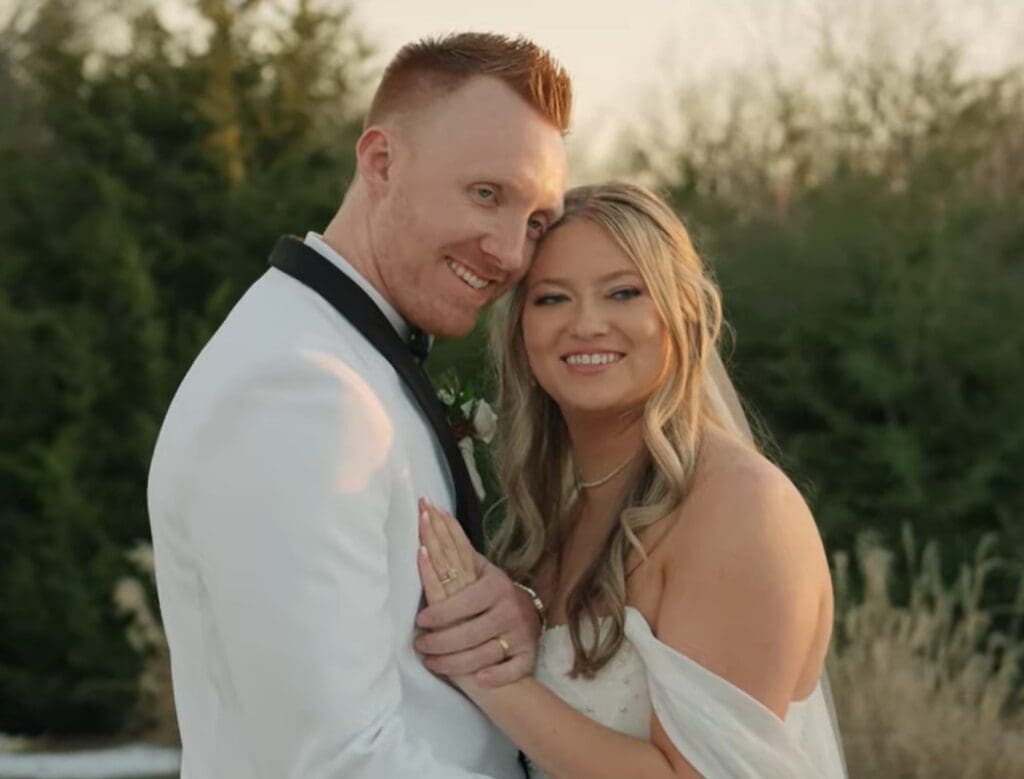
Winter weddings in North Texas require a more deliberate approach to the timeline than weddings in spring or fall, and the reason comes down to a single variable: sunset. In early January, the sun sets before 6:00 PM, which compresses the window for natural light portrait work and makes the sequencing of the day more consequential than it is at other times of year.
For Ashlyn and Jake’s January wedding at The Laurel, the portrait session was positioned to take advantage of the late afternoon light before it dropped below the horizon. That required knowing exactly when the sun would set relative to the venue’s orientation, and building backward from that window rather than treating it as flexible. The result was portrait coverage that held a quality of light that simply wouldn’t have been available an hour later.
As a general guide, winter DFW weddings benefit from a ceremony start time that ends no later than 4:00 to 4:30 PM, leaving a usable portrait window before sunset. Getting-ready coverage should begin early enough to create a buffer, and the reception transition should be planned with interior light in mind from the start rather than as an afterthought.
The advantage of winter light in North Texas is real and often underestimated. The sun’s low angle produces longer shadows, warmer tones in the final hour before sunset, and a visual quality that’s difficult to achieve in the flat midday light of summer. Couples who plan their timeline around that window consistently come away with coverage that looks more intentional than they expected.
What to Wear for a Dallas Winter Wedding
North Texas winters are mild by most standards, but January does bring genuine cold — typically in the 40s and 50s during the day, with evenings dropping further. For outdoor portrait sessions, the practical reality of temperature is worth accounting for in wardrobe choices, particularly for wedding parties who will be outside for an extended period.
Layering works well for winter DFW weddings when it’s planned intentionally. A bridal wrap or structured coat that complements the gown adds visual interest for outdoor portraits and keeps the coverage from feeling like everyone is bracing against the cold. For grooms and groomsmen, a well-fitted overcoat or wool suit jacket reads with formality and warmth simultaneously.
Color choices for winter dallas wedding photography tend to favor depth over brightness.
Deep jewel tones, warm neutrals, and rich burgundies all hold well against the visual palette of a January day in North Texas, whether the setting is an interior like The Laurel or a more exposed outdoor location. Soft ivory and champagne also work well indoors, where the controlled light of a well-designed venue removes the variables of outdoor exposure.
For bridal parties, cohesion in tone tends to translate better on camera than identical colors, particularly in interior settings with mixed light sources.
We work with couples in the weeks before the wedding to think through how attire choices will interact with the venue environment, the available light, and the overall visual approach of the coverage.
How Dallas Seasons Shape the Look of Your Wedding Coverage
Dallas has four distinct seasons, and each one produces a different visual quality that directly affects what your photographer and videographer will be working with. Understanding that range in advance helps couples make a more informed choice about when to schedule, and how to prepare for what their chosen season actually offers.
Spring, from March through May, is the most consistently photogenic window in North Texas. The temperatures are mild, the landscape recovers its color quickly, and the light has a quality that sits between the harshness of summer and the austerity of winter.
April and May in particular tend to produce the clearest conditions for outdoor portrait work, and venues with gardens or open grounds look their best in that window.
Summer in Dallas is genuinely hot, and outdoor ceremonies in June, July, and August require either early morning scheduling or a late evening start to avoid the worst of the afternoon heat. The upside is that summer sunsets in North Texas are dramatic in a way that winter and spring rarely match, deep orange and red skies that create a backdrop of real visual intensity for couples willing to push their ceremony start time later.
Fall offers a transitional quality that many couples find compelling. The heat eases by October, the light takes on a warmer angle as the sun moves south, and the landscape shifts in ways that register in both photography and film. November in particular tends to produce clean, consistent conditions that make it one of the more underrated months in the DFW wedding calendar.
Winter, as Ashlyn and Jake’s January wedding demonstrated, is not a visual compromise. The low angle of the sun, the stripped-back landscape, and the warmth of a well-designed interior venue can produce coverage that looks more considered and intentional than any other season, provided the timeline is built to take advantage of what January light actually offers.
Why Couples Choose Flower & Oak
Couples who work with us are typically looking for something beyond a set of well-exposed images and a short film. They want coverage that captures the full arc of the day, from the quiet of the morning through the energy of the reception, without gaps, and without a selective edit that reduces the wedding to its most photogenic moments.
The full-length feature film is the most direct expression of that commitment. The ceremony is preserved entirely, including the vows and every toast and speech. Those are the words spoken once, in front of the people who matter most, and they deserve a permanent record that reflects their weight. The highlight film exists alongside the feature as a different way to experience the day — a companion, not a replacement.
Our photography and videography are designed to work together from the first moments of the morning. The approach to timing, framing, and movement is coordinated so that the still images and the film tell the same story, and couples never have to manage the friction of two separate teams with competing approaches to the same day.
Frequently Asked Questions (FAQ)
Do you photograph and film weddings at The Laurel in Grapevine?
Yes. The Laurel is a venue we know well, and its interior design and historic Grapevine setting make it one of the more visually consistent options in the DFW area. We’ve documented weddings there across different seasons and times of day.
Do you cover weddings across the DFW area, not just Dallas proper?
Yes. We cover weddings throughout the Dallas-Fort Worth metroplex, including Grapevine, Southlake, Fort Worth, Frisco, McKinney, and the surrounding areas. The venue matters more to us than the zip code, and we’re familiar with the range of settings the region offers.
What is it like to photograph a winter wedding in North Texas?
Winter in North Texas is one of our favorite times to work, when the timeline is built around it. The low-angle afternoon light produces a quality that’s difficult to replicate in other seasons, and the interior warmth of venues like The Laurel creates a natural contrast with the cold outside that reads beautifully in both photography and film. The key is planning the portrait window before the sun drops.
How do shorter winter days affect the wedding timeline and photo coverage?
Significantly. In early January, sunset arrives before 6:00 PM, which means the window for natural light portrait work is compressed.
We plan the day backward from the sunset time, positioning the portrait session to capture the best available light before it disappears. Couples who share their venue details and ceremony timing with us early get the most out of that planning process.
Planning a Dallas Wedding?
If you are getting married in Dallas or anywhere across the DFW area and want Dallas wedding photography and videography that feel natural, honest, and unforced, we would love to connect.
Whether you are in the early stages of planning or already have a venue and date in mind, we are always happy to talk things through. Reach out to start the conversation.
