


What to Ask a Wedding Photographer Before Booking
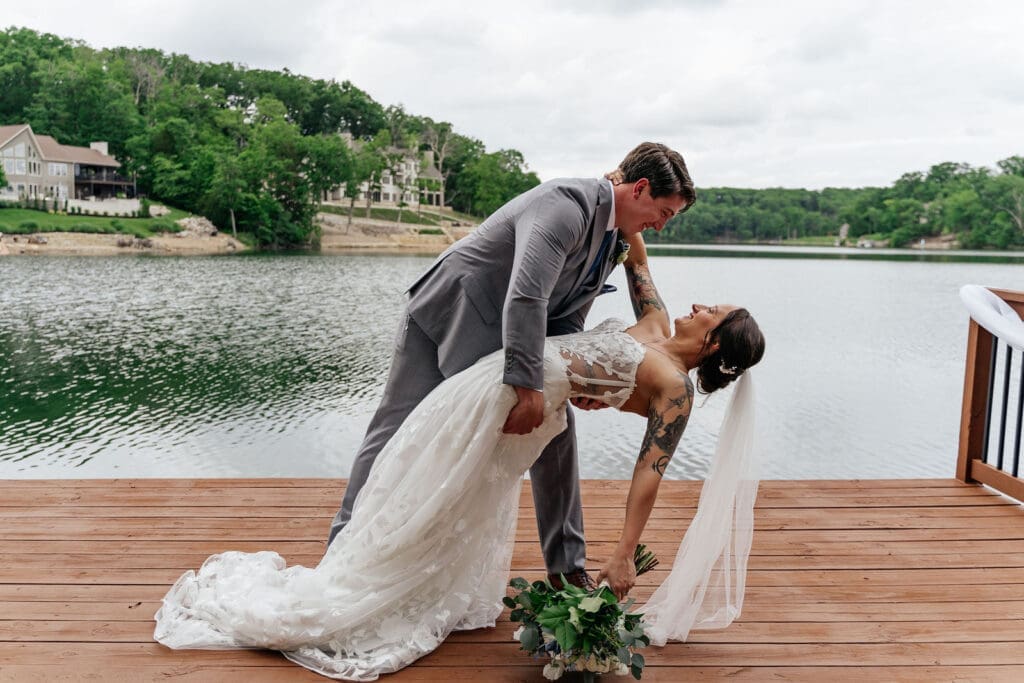
Most couples spend more time researching a restaurant than a wedding photographer. That’s not a criticism. The process is genuinely harder. Menus are easy to compare. A photographer’s portfolio tells you what they can do, but it doesn’t tell you what working with them is actually like.
That’s what the conversation before booking is for. The right questions tell you whether someone is good at the job, but also whether they’re the right fit for your day specifically.
Questions About Their Work and Style
Can I See a Full Gallery From a Single Wedding?
Any photographer can build a strong portfolio from their best images across fifty weddings. A full gallery from one day tells you something different: how consistent they are, how they handle low light, whether they can make a getting-ready photo at 8am in a hotel bathroom look as good as a sunset portrait.
Ask to see one from a venue or lighting environment similar to yours.
How Would You Describe Your Editing Style?
The words photographers use here, such as bright and airy, dark and moody, or true-to-life, are worth following up on with examples. Ask them to show you a set of images before and after editing. Seeing what the raw file looks like and how they transform it in post-production tells you far more than any label.
It’s also worth considering whether that style is something you’ll still enjoy looking at twenty years from now. Trends change, and the most popular editing style of a particular era often ends up feeling dated much sooner than expected.
Do You Shoot Film, Digital, or Both?
Film photography has a distinct texture and tonal quality that digital editing can imitate, but never fully reproduce. Some photographers work with a combination of film and digital, while others shoot exclusively in digital. Neither approach is inherently better.
Questions About the Day Itself
Will You Be the Photographer at My Wedding, or Could It Be Someone Else?
Studios and larger photography companies sometimes book weddings and then assign associate photographers. You’re hiring based on work you’ve seen, and you should know upfront whether the person who shot those images is the person who’ll be at your wedding.
There’s nothing wrong with associate photographers, especially when they’re well-vetted. But it’s a conversation to have before you sign, not after.
Have You Shot at My Venue Before?
Familiarity with a venue saves real time on the wedding day. A photographer who knows where the light falls at 4pm, which corners work for portraits, and where the coordinator expects people to be doesn’t need to spend the first hour orienting themselves. If they haven’t shot there before, ask how they plan to scout it.
If they have worked at your venue before, ask whether they can share a full gallery or a recent journal feature from that wedding so you can see how they approached the space, lighting, and overall flow of the day.
How Do You Handle the Timeline?
A photographer who helps you build your timeline is worth more than one who just shows up and works within whatever you’ve already decided. Ask specifically about how much time they’d recommend for portraits, whether they factor in golden hour, and what they do when the day runs late.
Do You Work With a Second Shooter?
A second shooter covers angles the lead photographer can’t. At the ceremony, that might mean one shooter on the bride’s entrance and one on the groom’s face at the same time. For larger weddings or multi-location days, a second set of hands and eyes is often the difference between comprehensive coverage and gaps.
Ask whether a second shooter is included, optional at additional cost, or not offered at all.
Questions About Logistics and Deliverables
What’s the Turnaround Time for the Final Gallery?
Turnaround times across the industry range from six weeks to six months or more. Know what to expect before you sign. Also ask whether they send a sneak peek and, if so, when.
The delivery timeline should be in your contract. If it isn’t, ask for it in writing.
How Many Images Will I Receive?
Some photographers deliver 400 images from an eight-hour wedding. Others deliver 1,200. Neither number is automatically better: a photographer who culls carefully is often more valuable than one who sends everything and lets you sort through it. But it’s a useful data point for comparison.
What Happens to My Images After Delivery?
Ask about the backup and storage policy. How long are the files kept after delivery? Where are they backed up? If something happens to your copy, is there a way to get them again?
Also ask about licensing. You should have the rights to print, share, and use your own wedding photos without restriction.
What Are the Payment and Cancellation Terms?
Understand what you’re committing to before you sign. How much is the retainer? When is the remainder due? What happens if you need to change the date, or if they have an emergency and can’t be there?
These conversations are easier before there’s a contract than after. Reviewing a photographer’s pricing structure in advance can also help you avoid surprises and understand exactly what’s included in each package.
Questions About Working Together
How Do You Work With Couples Who Are Nervous in Front of the Camera?
Not everyone is comfortable being photographed. A good photographer knows how to put people at ease without manufactured poses and forced smiles. Ask how they approach couples who aren’t natural in front of the camera. The answer tells you a lot about their approach to the job.
What Do You Need From Us to Do Your Best Work?
This question inverts the usual dynamic and often produces genuinely useful answers. A photographer might ask for a detailed timeline, a list of family formals, a heads-up about any family dynamics to be aware of, or just a few minutes at the beginning of the portrait session to let everyone relax. What they ask for tells you how they think about the job.
Can We Talk to a Couple You’ve Worked With Recently?
Reviews are useful. A direct conversation with a past couple is better. Ask if they’d be comfortable connecting you with someone they’ve worked with recently. Most photographers who are proud of their work are happy to do this.
A Few Things Worth Knowing Going In
The cheapest option rarely stays cheap. Albums, rush fees, additional hours, and reprints add up. Look at the total cost of what you want, not just the starting price.
Personality matters. You’ll spend more time with your photographer on your wedding day than almost anyone else there. The conversation before booking tells you as much about fit as the portfolio does.
Read the contract carefully. Every photographer’s contract is different. Look for language around copyright, liability, cancellation, and what happens if something goes wrong.
Many couples also wonder about timing, portfolio consistency, and whether photography and videography should be booked together. In general, photographers with strong reputations often book out 12 to 18 months in advance, especially for peak-season dates, so it’s worth reaching out early if you have someone specific in mind.
Ready to Start the Conversation?
We’re happy to answer all of these questions and more. Browse our wedding portfolio to see our work, and visit our packages and pricing page for the details. When you’re ready to talk, reach out to our team.
