


Wedding Photography Styles Explained (and How to Find Yours)
If you’ve spent any time looking at photographer websites, you’ve probably run into terms like photojournalistic, editorial, fine art, and documentary while researching different wedding photography styles.
Some of it is genuine description. Some of it is marketing. This guide breaks down what the most common styles actually mean, how they differ in practice, and how to figure out which one matches what you’re looking for.
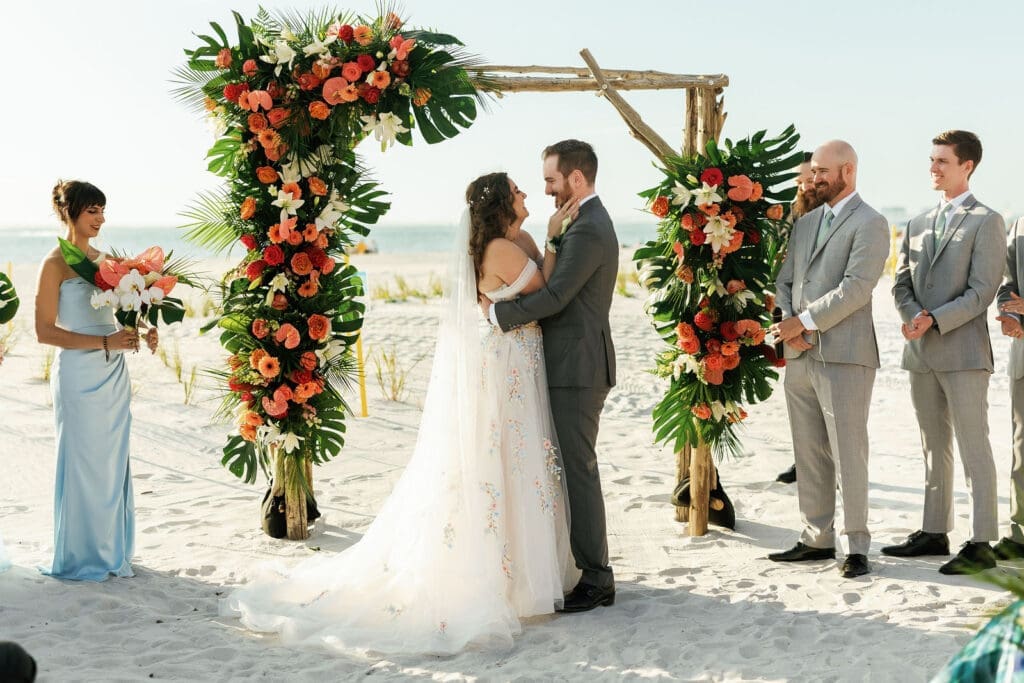
The Main Wedding Photography Styles
Photojournalistic (or Documentary)
This style prioritizes capturing moments as they happen, without staging or directing. The photographer observes rather than orchestrates.
The goal, as the Wedding Photojournalist Association defines it, is a genuine record of the day: the spontaneous laugh, the grandfather at the back of the room, the look between partners that nobody planned.
What it looks like: candid, real, emotionally direct. Less polished than editorial work, but often more alive.
Who it’s for: couples who want their wedding to feel like it was experienced rather than performed, and who are uncomfortable with heavy posing or direction.
Editorial or Fashion-Inspired
Editorial photography borrows from fashion and magazine work. The photographer directs couples into specific poses, lights scenes deliberately, and aims for images that feel composed and visually refined.
What it looks like: dramatic, polished, cinematic. Often features interesting angles, intentional use of architecture or landscape, and a strong visual point of view.
Who it’s for: couples who want images that feel produced, who are comfortable being directed, and who prioritize a particular aesthetic over spontaneity.
Fine Art
Fine art photography is harder to define precisely because it overlaps with both editorial and documentary work. The distinguishing quality is usually the photographer’s intentional artistic perspective, a consistent aesthetic approach that makes their work identifiable regardless of the subject.
What it looks like: often softer, more painterly, with careful attention to light and color. Some fine art photographers shoot film. Others use digital but with an editing approach that creates a timeless, slightly elevated look.
Who it’s for: couples who value artistry and want images that feel like more than documentation, and who trust the photographer to bring a strong visual perspective to the day.
Traditional or Classic
Traditional photography prioritizes the formal record: the posed family portraits, the standard ceremony shots, the reception traditions captured at their appointed moments. This style has been around as long as wedding photography itself, and it exists for good reason.
What it looks like: clean, clear, well-exposed. Less stylized than editorial or fine art work, but reliably complete.
Who it’s for: couples who want all the expected moments captured, families who value formal portraits, and anyone who doesn’t want to worry about whether the photographer got the first dance.
Moody or Dark
Not a formally separate style so much as an editing approach, but worth naming because it’s a significant visual category. Moody photography uses deep shadows, desaturated tones, and contrast to create a dramatically atmospheric look.
What it looks like: dark backgrounds, rich colors, heavy contrast. Striking when it works, but a look that can feel dated quickly.
Who it’s for: couples who want a highly stylized aesthetic and are confident they’ll still love that particular look years from now.
Most Photographers Are a Mix
The categories above are useful for orientation, but most working photographers don’t fit cleanly into one of them. A photographer might describe themselves as primarily documentary but produce genuinely beautiful editorial portraits during the dedicated portrait time. Another might call themselves fine art but capture the entire reception in an observational, unposed style.
What matters more than the label is looking at their actual work and understanding how they approach the different parts of a wedding day. A photographer’s philosophy, values, and creative approach often have a greater impact on the final experience than the label they use to describe their style.
How to Figure Out What You Actually Want
Pay Attention to What Stops You While Scrolling
Most couples have an intuitive response to photography before they have a vocabulary for it. The images that make you stop and look longer are telling you something. Save them and look for patterns. Do you keep stopping on candid, emotional moments, or on beautifully composed portraits? That’s useful data.
Look at Full Galleries, Not Just Highlights
A highlight reel can make any photographer look good. A full gallery from a single wedding shows you how they handle the whole day, including the parts that aren’t inherently beautiful, like getting ready in a fluorescent-lit hotel room or a cloudy ceremony with flat light. How they work in those conditions tells you more than their best shots.
Think About How You Feel About Being Photographed
Some people are genuinely comfortable in front of a camera. Others find it uncomfortable and spend the portrait session waiting for it to end. If you’re in the second camp, a heavily editorial photographer who directs you into precise poses for 90 minutes may produce beautiful images but an unpleasant experience.
A more documentary-leaning photographer who keeps direction minimal might produce work you love while the process itself feels natural.
Consider What You’ll Want in 20 Years
Trends in wedding photography change. The most popular editing style of a given year has a way of feeling specific to that year when you look at it a decade later. More timeless, less stylized approaches hold up better over long periods. It’s worth thinking about whether you want images that feel of their time or images that could have been taken in any year.
What About Black and White?
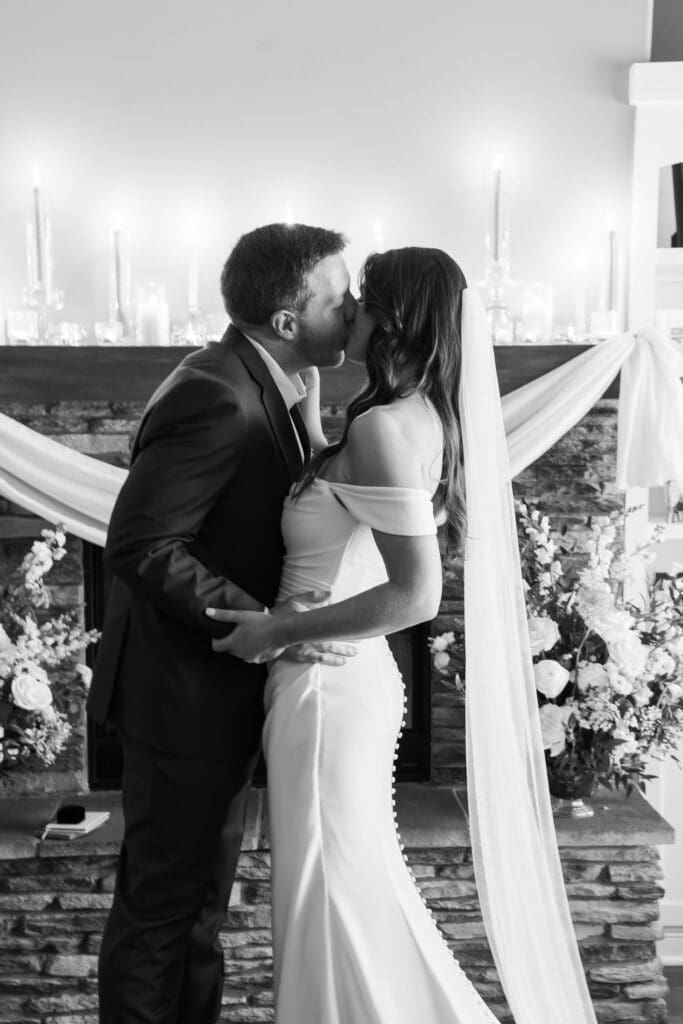
Black and white isn’t a photography style. It’s an editing choice most photographers apply selectively to certain images. It works particularly well for emotional moments where the absence of color directs attention to expression and composition. Most photographers who offer a mix of color and black and white will let you know their approach upfront.
A Note on Film
Film photography has a specific tonal quality, a warmth, grain, and color rendering that digital post-processing can approximate but doesn’t fully replicate. Some photographers shoot exclusively on film. Others use a hybrid approach. Film is slower, more deliberate, and costs more, which is reflected in pricing. If the film aesthetic is part of what you love in a photographer’s work, confirm what percentage of the gallery comes from film versus digital.
Frequently Asked Questions
What Style Is Most Popular Right Now?
A light, bright, airy aesthetic has been dominant in wedding photography for several years. Soft tones, minimal shadow, warm skin tones. The moody, dark editing style had a significant moment earlier and has faded somewhat. Neither tells you which is right for you, but if something looks very of-the-moment, it’s worth asking yourself whether you’ll feel the same way about it in 2035.
Can I Ask a Photographer to Adjust Their Style for My Wedding?
Within limits, yes. If a photographer’s work leans editorial and you want them to prioritize candid moments, that’s a reasonable request and most photographers can accommodate it. Asking a documentary photographer to completely shift into a fashion-editorial mode is asking them to do something outside their practice. Work with someone whose natural style is already close to what you want.
How Does Photography Style Affect Videography?
It affects it more than most couples realize, which is one of the reasons booking both through the same company has advantages. When photo and video share a creative vision, the final deliverables feel unified. When they don’t, you sometimes end up with imagery that feels like two different weddings.
See the Work for Yourself
The best way to understand a photographer’s style is to look at it. Browse our wedding portfolio to see how we work across different venues, seasons, and lighting conditions. When you’re ready to talk about your day, reach out to our team.
