


How to Choose a Wedding Videographer: Full Guide
Most couples spend more time comparing venue packages than evaluating videographers. Part of that is unfamiliarity: if you’re wondering how to choose a wedding videographer, it’s often harder to evaluate film than photography, and the industry has more variation in quality and approach than most people expect.
Here’s how to approach it clearly.
Watch Full Films, Not Just Trailers
A 90-second trailer can make almost any videographer look good. Trailers are edited to impress: best moments, best music, best light. They tell you almost nothing about what you’re actually paying for.
Ask to see a full highlight film from a recent wedding. Then, if they offer it, ask to see a full ceremony or a full-length feature. Industry professionals consistently recommend asking to see complete wedding films rather than judging a videographer solely by their highlight reel. Watch the full ceremony. Is the audio clear? Are the vows audible? Does the pacing hold your attention? What does the film look like when the light isn’t perfect?
The answers to those questions tell you far more than any trailer.
Audio Is Half the Film
This is the most underrated element of wedding videography. Beautiful footage with inaudible vows is a far worse outcome than less polished footage where you can hear every word.
Ask specifically about audio setup. Do they use a lapel mic on the officiant or the groom? Do they have a backup? How do they handle outdoor ceremonies where wind is a factor? Do they test the audio before the ceremony starts?
A videographer who has thought carefully about audio is usually a videographer who has learned from experience. The ones who haven’t thought about it are the ones whose films have muffled vows.
Understand What’s Actually Included
Wedding videography packages vary significantly in what they deliver, which is why it’s important to compare wedding videography package options before booking. Here are the main deliverables to ask about:
Highlight film: A cinematic, shorter edit of the day, typically 5 to 10 minutes. Almost all packages include this.
Full-length feature film: A complete documentation of the day including the full ceremony and all speeches. Not all packages include this. It’s the version you’ll watch on anniversaries.
Raw footage: The unedited clips from the day. Some companies offer this in a format that’s actually watchable; others hand you a hard drive of files in formats that won’t open on a standard device. Ask what raw footage actually means in their package.
Social media content: Short vertical-format clips for Instagram and TikTok. This is a separate deliverable, not a substitute for a highlight film.
Drone footage: Aerial coverage of the venue. Worth having at scenic outdoor locations, less meaningful at urban venues.
Look for Consistency, Not Just Their Best Work
Every videographer has a best wedding: perfect venue, perfect light, couple who were naturals on camera. What you need to know is whether they produce good work consistently.
Ask to see work from a recent indoor reception, a cloudy ceremony, or a venue that wasn’t particularly photogenic. How they handle difficult conditions tells you more about their skill than their best highlight reel.
Consider the Editing Style
A wedding film’s editing style includes its pacing, its music choices, and its color grade. Some videographers produce fast-paced, energetic films. Others are slower and more documentary. Some editing aesthetics age well; others feel very of-the-moment.
Look at films from two or three years ago in a videographer’s archive. Do they still look good? Does the editing feel dated? That’s a more reliable indicator of long-term quality than their most recent work.
Ask About Their Approach to the Day
A videographer who is purely reactive, who shows up and captures whatever happens, is different from one who has a plan for the day. Much of the difference comes down to how a team approaches documenting a wedding from start to finish.
The latter knows where to be before key moments happen, has pre-planned their audio setup, and communicates with the photography team about positioning.
Ask how they communicate with other vendors. Ask what they do when the timeline runs late. Ask whether they help with timeline planning. These questions reveal whether you’re working with someone who treats the job as a technical exercise or as something that requires genuine preparation.
Understand the Turnaround Timeline
Editing a wedding film takes significant time. Turnaround windows across the industry range from six weeks to six months or more. Know what you’re agreeing to before you sign, and get it in writing.
Ask whether they send a sneak peek, and when. Knowing what to expect at each stage of the process reduces post-wedding anxiety considerably.
The Case for a Shared Photo-Video Team
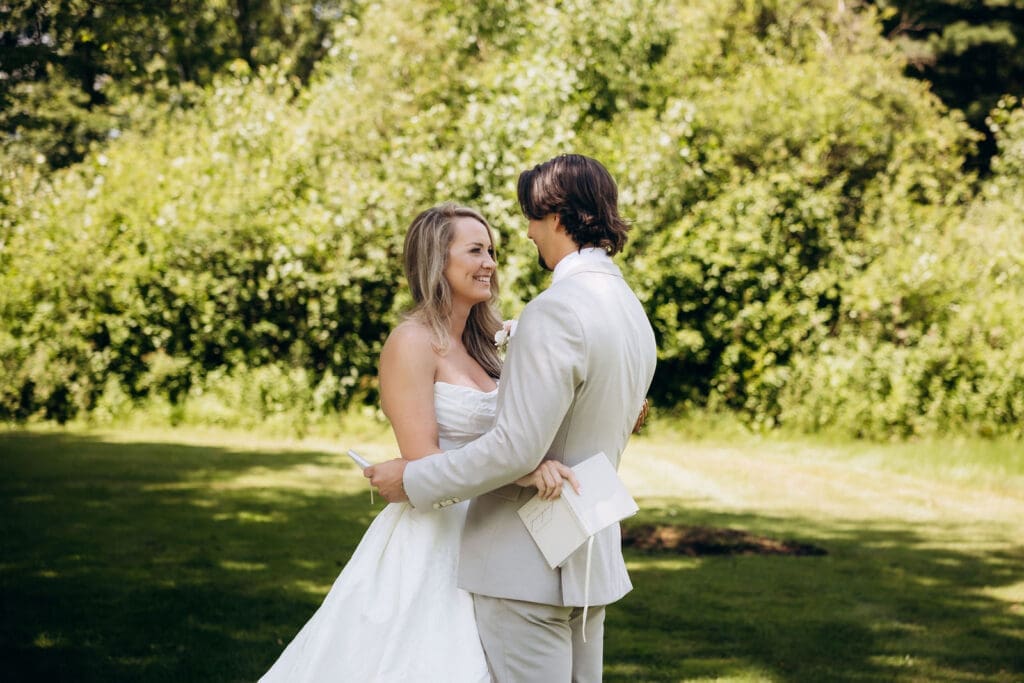
When photo and video come from the same company, the day runs differently. No competing for positions during the ceremony. No separate timelines that conflict. No friction over which team has priority at the altar.
There’s also a creative argument: the gallery and the film feel unified when both come from the same aesthetic understanding of the day. They tell the same story rather than two adjacent versions of it.
For more insights on wedding planning, photography, and videography, explore our journal, where we share advice, real wedding stories, and behind-the-scenes perspectives from years of documenting celebrations.
Frequently Asked Questions
How Much Should I Budget for a Wedding Videographer?
Professional wedding videography in the United States ranges from around $2,000 for entry-level packages to $6,000 and above for premium coverage. Our pricing page has a full breakdown of what you get at different price points.
What Questions Should I Ask a Videographer Before Booking?
Will you personally be the videographer at my wedding? Have you shot at my venue before? What is your audio setup for outdoor ceremonies? What’s included in the package and what are the add-ons? What’s the turnaround time? What happens if you have an emergency on the day?
How Far in Advance Should I Book a Videographer?
The same timing as photography: 12 to 18 months for peak-season Saturday weddings. Popular videographers in high-demand markets fill their calendars well in advance.
What’s the Difference Between a Highlight Film and a Feature Film?
A highlight film is a short cinematic edit, typically 5 to 10 minutes, capturing the emotional arc and best moments of the day. A feature film is a longer, more complete documentation: the full ceremony, all speeches, extended coverage. Both serve different purposes, and both are worth having.
Ready to See Our Work?
Browse our wedding portfolio to watch full films and see photo galleries from real weddings. Learn more about how our teams work on the experience page. When you’re ready, tell us about your plans and we’ll help you find the right fit.
