


Do You Need Both a Wedding Photographer and Videographer?
The honest answer is: probably yes, if it’s within reach financially.
But ‘probably yes’ doesn’t help you make a real decision, so here’s the fuller version.
What You Lose Without Photography
Without photography, you have no high-resolution still images of your day. No prints. No framed portraits. No wedding album. The edited stills from a video file are technically photos, but they’re not the same: different resolution, different depth of field, different precision. If you want images you can actually print and display, you need a photographer.
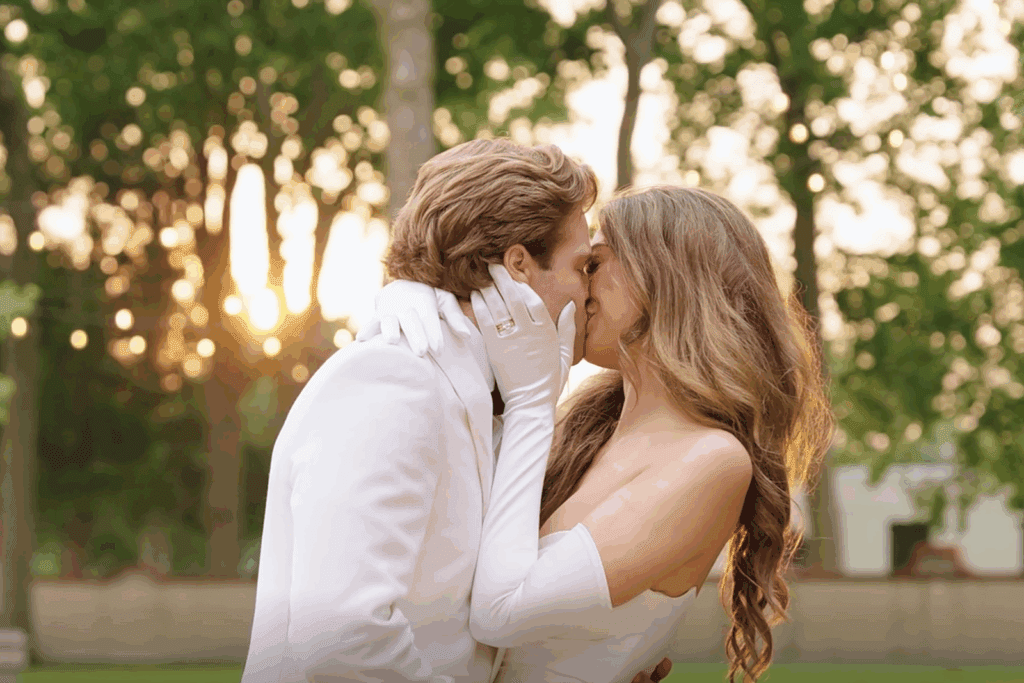
What You Lose Without Videography
Without video, you have no record of the day in motion. No audio. You won’t hear the vows spoken, the speeches, the song that played during the first dance, or the specific laugh your best friend has. You’ll have images of those moments, but not the moments themselves.
This is the part that tends to catch couples off guard. You know what the photos will give you. What video gives you is less obvious until you don’t have it. In fact, many couples later say that not hiring a videographer was one of their biggest wedding regrets.
The Budget Question
If you’re working with a limited photography and videography budget, the most practical question is: what will I most want to have in ten years? Reviewing different photography and videography package options can help make that decision easier.
For most couples, photographs are easier to live with daily. They’re physical, displayable, shareable in any context. Video is something you return to at specific moments: anniversaries, major milestones, when you want to show someone who wasn’t there.
Some couples prioritize video precisely because it captures things photographs can’t, especially the voices and audio of people who have since passed. If there are people at your wedding whose voice you’d want to hear again, that’s a meaningful consideration.
The Case for Booking Both With One Company
Logistics aside, there’s a creative argument for having both mediums covered by the same team.
Two separate vendors each doing their best work can still produce final deliverables that feel like different interpretations of the same day. When photo and video operate from a shared creative vision, the gallery and the film feel like they came from the same day, because they did, and the same people understood what they were looking for. That consistency starts with how we approach documenting weddings.
The day itself also runs more smoothly. There’s no coordination required between two separate vendors’ timelines and positioning preferences. One team, one plan.
When Separate Vendors Make Sense
Sometimes couples have a specific photographer they’ve been following for years and a separate videographer they love equally. Booking separately to get the specific people you want is a legitimate reason to do so. The coordination challenge is real but manageable with good communication between vendors.
It’s worth asking both vendors whether they’ve worked with other teams before, and if so, asking for any specifics about how they handle shared timelines and positioning during the ceremony.
What to Prioritize If You Truly Can Only Pick One
If the budget simply doesn’t allow for both and you have to choose, think about what the day will actually produce.
Ceremonies produce more distinctive video content than photographs. The vows, the readings, the officiant’s words are inherently audio experiences. A great photograph of the ceremony is beautiful, but it doesn’t give you the sound.
Portraits and detail shots are inherently photographic. A beautifully composed portrait at golden hour is something photography does better than video.
If your ceremony is the emotional core of the day and you want to preserve it completely, video may deserve priority. If the portraits and the visual record of the day are what matter most to you, photography first.
Frequently Asked Questions
Can a Photographer Also Handle Video?
Some photographers offer both, though truly excellent work in each medium usually comes from someone who specializes in it. Ask to see dedicated examples of both if a photographer is offering both services.
What’s the Cost Difference?
Videography typically costs somewhat less than photography at comparable quality levels, though the ranges overlap significantly. Our pricing page shows the current package options and bundle savings when you book both.
If We Book Both, Does One Team Get in the Other’s Way?
When they’re separate vendors, this is a real risk, particularly during the ceremony when both teams want unobstructed angles. When it’s the same company with a shared approach, positioning is coordinated from the start. There’s no negotiation on the day about who stands where.
Is Video Worth It for a Small Wedding?
Size doesn’t change what video gives you. An intimate wedding of 30 people can have just as meaningful a ceremony, just as important speeches, and just as emotional a first dance as a wedding of 200. The scale of the event doesn’t determine the value of having it on film.
See Both in Action
The best way to understand what each medium delivers is to look at actual work. Browse our wedding portfolio for both photography and film examples, and learn more about how our teams work on our experience page. When you’re ready, let’s start the conversation. We’ll help you determine the coverage that best matches your priorities.
