


What’s the Difference Between Wedding Photography and Videography?
The simple version: photography gives you images. Videography gives you film.
The more honest version: they’re different mediums that preserve different things about a wedding day, and understanding what each one actually does helps you decide how to allocate your budget and determine which coverage options make the most sense for your wedding day.
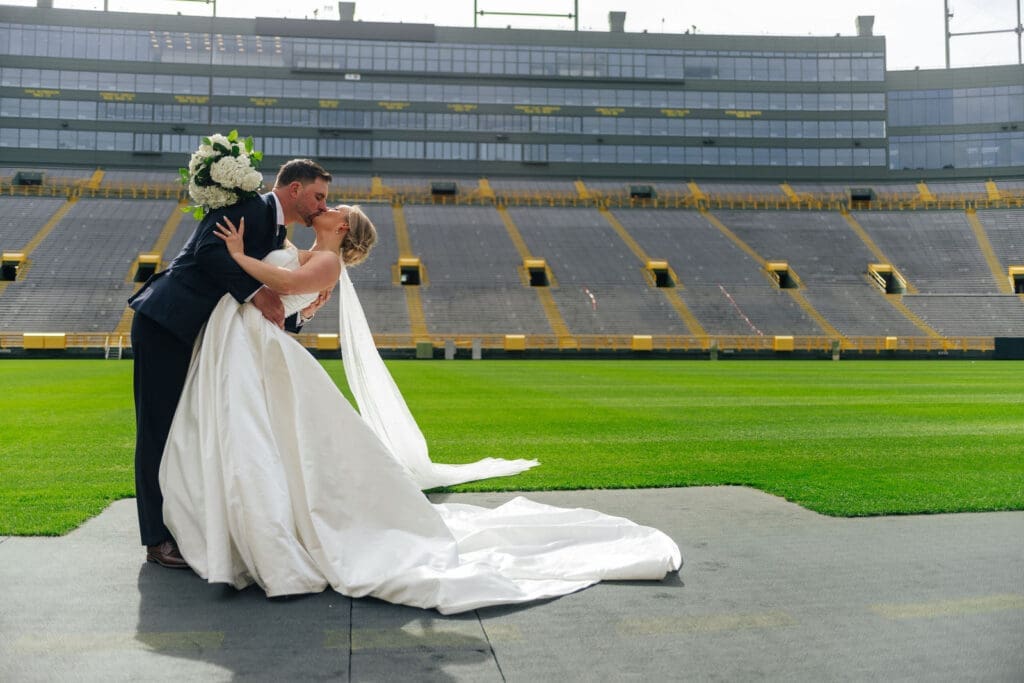
What Wedding Photography Delivers
A photograph is a still image. It stops time at a specific moment and holds it. What great wedding photography gives you is a curated collection of those moments across the day: the first look, the ceremony details, the portrait at golden hour, the candid laugh during the reception.
Still images have qualities that video doesn’t. They’re easy to print, easy to frame, easy to share in a way that doesn’t require someone to sit down and watch something. A photo on your wall is there. A video file has to be actively opened and watched.
Photography is also better at certain types of images: the composed portrait, the detail shot, the wide landscape frame. These are inherently photographic in a way that doesn’t translate as naturally to film.
What Wedding Videography Delivers
A wedding film gives you the parts of the day that photographs can’t fully capture: movement, sound, time. The voice of the person reading a poem during the ceremony. The specific way someone laughs. The energy of the dance floor at 10pm. The vows, word for word, in the voice they were spoken.
These are things that, a year after the wedding, you may not be able to fully remember. As explained in this guide to what wedding videography captures that photography cannot, a film preserves movement, sound, and emotion in ways that still images simply can’t. A film gives them back to you.
How They Work Differently on the Day
Photography and video require different things from the couple and the day. A photographer moves through the day capturing decisive moments. A videographer needs to be in position before moments happen, particularly for audio capture during the ceremony and speeches.
When photo and video teams are separate, there’s potential for conflict: both teams want ideal angles at the same moments, and without coordination, they can end up in each other’s shots. This is one of the most practical arguments for booking both through the same company.
When they operate from a shared timeline and shared understanding of the day, the two mediums complement rather than compete.
Do They Produce the Same Images?
No. A still frame pulled from video is technically a photograph, but it’s not the same as an image shot on a camera optimized for stills. The resolution, depth of field control, and editorial precision of photography are different from what a video camera produces, even a high-quality one.
A video team captures the day in a fundamentally different way than a photography team does. Both can be excellent. They’re doing different things.
Which One Should You Prioritize?
If you can do both, do both. The two mediums give you a complete record of the day in a way that neither can alone.
If you’re working with a tighter budget and have to choose, here’s a genuine way to think about it: photographs are easier to live with daily. They’re on your walls, in frames, in albums. Video is something you return to at specific moments: anniversaries, when you want to relive the day, when you want to share it with people who weren’t there.
For some couples, the emotional pull of being able to hear the vows and the speeches again matters more than anything else. For others, having physical printed photographs they can display is the priority. Both are legitimate.
The Case for Booking Both With One Team
Beyond the logistical advantages on the day, there’s a creative one: the imagery and film feel unified when they come from the same team.
Two separate vendors working independently will each do their best work, but the final deliverables may feel like they came from different interpretations of the same day. When photo and video share a creative vision and aesthetic approach, the gallery and the film tell the same story, reflecting a consistent philosophy about how weddings should be documented.
It also simplifies the planning process considerably: one contract, one point of contact, one team to coordinate with on the timeline.
What About Just Getting Social Media Content?
A newer category worth knowing about: social media content creation. This is distinct from both photography and videography. A dedicated content creator captures vertical-format footage and photos optimized for Instagram and TikTok, including behind-the-scenes moments, candid details, and real-time shareable content. It’s a complement to traditional photography and film, not a replacement for either.
Frequently Asked Questions
Can a Photographer Also Do Videography?
Some can, though operating both a photography setup and a video setup simultaneously produces compromises in both. A few photographers work in hybrid formats, but the strongest photography and videography work typically comes from people who specialize in their medium.
Is Wedding Videography Worth the Extra Cost?
Most couples who have both say yes when they look back on it. The question is less about cost and more about what you’ll want to have in ten years. If the answer includes hearing the vows spoken and seeing the day in motion, the film is worth having.
What’s a Highlight Film vs. a Feature Film?
A highlight film is a short, cinematic edit, typically 5 to 10 minutes, that captures the emotional arc and best moments of the day. A feature film is a longer, more complete documentation: the full ceremony, all speeches, extended coverage of the major moments. Both serve different purposes. The highlight is what you’ll show people. The feature is what you’ll watch yourself.
See How We Approach Both
Browse our wedding portfolio to see our photography and film work across different venues and wedding styles. Our experience page covers how our teams work together. When you’re ready to talk, reach out to us.
